


With so many other forms of entertainment competing for fans’ attention these days, teams need to offer more than just bobbleheads and dollar dog nights to boost sales of tickets and merchandise. Sports marketers and operations directors recognize they must offer fans unique, personalized experiences to entice them to come back. Here are three strategies…
Tag Archives | Sales
Hot Dog Stand Marketing: Sports Sales: Journey Continues

Over the past 20 odd weeks we have gone over 10.5 steps to ensure your career in sports sales is one in which you don’t just survive but thrive! From developing a personal brand to reading books every month to having an overflowing funnel of prospects and ideas to never letting complacency set in –…
Hot Dog Stand Marketing: Sports Sales Vol 10.5: Personal Brands
Consider this part DEUX of the Personal Brands step! Two weeks ago we discussed what a personal brand is and how to figure out what yours might be. In personal brands volume 10.5 of the sports sales series we will do what all love to procrastinate: ACTION! This week we will focus on the action…

Hot Dog Stand Marketing: Sports Sales Vol 10: Personal Brand
Prospect/Client: What do you stand for? Prospect/Client: What do you believe in? Prospect/Client: Why should I listen to you and your product pitch when there are literally 100 other sports sales people who are going to call me this week that all think they have an idea of how they can help me out with…

Hot Dog Stand Marketing: Sports Sales Vol 7: Transformations
Now I know that photo of myself below makes me look like I’m a long way from working at the hot dog stand, but I promise that’s still me! The point is this – when I say “transformations” people have a tendency to jump on that as an assumption that I mean change who you…
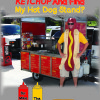
Mike Rudd Helps People Turn Their Passion Into Careers

Monday through Friday, people are clocking into work from nine to five. It seems like a never-ending process for most because the passion has either long gone or wasn’t there from the start. When Can I Ketchup And Find My Hotdog Stand is an Ebook by Mike Rudd, a man that knows his hot dogs. More…
Hot Dog Stand Marketing: Sports Sales Vol 2: True Passion
True Passion in Sports Sales: Believe In What You Represent. I love what I represent. A sports talk radio station. My own marketing company. I’m not a die hard “super fan” of the station that I sell for. But I do love the competition of sports, the teamwork and team building aspect, and the levels…
Hot Dog Stand Marketing: Sports Sales Vol 1: Remarkable Level of Customer Service
The economy in America is going to crumble because of healthcare and our deficit. Europe will become a continent of third world countries because of the debt crises. The NFL is going to be banned by the government because of concussions. There will NEVER be another band like the Beatles or the…
Are You Victimizing Your Seatholders?

Who wants to make more money in sports ticket sales? (OK… you can all put your hands down.) And…who is willing to shame or embarrass their team’s clients in order to get there? (Keep those hands down! Shame on you in the back row!) Upselling current seatholders can be a major contributor to any team’s bottom-line…
10 Tips to Help You Land Your First Sports Job

1. Network, Network, Network
Have you heard the adage “it’s not what you know, it’s who you know?” Well, in sports, it’s more like “who knows you” or “who is familiar with your work”. The key to getting your first job (or any job) is networking. You need to get out there in front of the decision makers who have the power to hire you, whether that’s the head of the sales department, box office or the general manager.
Attending networking functions is a great idea. Most teams and leagues either run their own career fair or attend sports related fairs every year. For example, job seekers interested in a career in Minor League Baseball should attend the annual PBEO Conference (the same “Winter Meetings” where players are traded and the Rule V draft are held ever year) and network with as many people as possible.
Relationships Key to Fund Raising

(This is a guest article by Dan Westervelt)
There are many reasons why golf fund raising events fail, but without this one element being present, the chances of survival are almost nil. It is the reason why sponsors decide to support, golfers decide to play and volunteers decide they want to serve your cause. In a word, it is relationships.
The three main components of the human side of a tournament are golfers, sponsors and volunteers. All three are readily available to you if you have a relationship and it is strong enough to justify their participation. Obviously a close friendship is the best but a consistent trade association between a client and vendor are of about the same weight.
As with any relationship, it must be respected, so approach this solicitation as though you were asking permission to do something beneficial for a family member. While you need to be sure to have all the reasons ‘why’ addressed, spend even more time getting ready for the ‘why not’s?’.
Listen carefully to all the objections you hear. These are really just road maps to where you’d like the conversation to end, that is a “yes, I’ll do it”. These are the hesitations, stalls and questions you must address successfully to get them there. In my view, they are the most important part of the sales conversation as they determine both the tone and content of your reply as well as the overall result.
The ABC’s of Asking for Referrals

There was once a member in a Chapter who sold computer equipment. Just before joining the organization, he had sold dozens of computers to a local school system. Apparently, the state legislature had earmarked a billion dollars for school systems to upgrade their computer equipment and this particular member had come across an opportunity to tap into a small piece of these allocated funds.
After joining, this individual was eager to use the contacts in the organization to identify more school systems that he could sell upgraded computers. As these opportunities represented major transactions for him, each week he focused his infomercials on seeking contacts and inroads into local school systems.