



In the good old days (that were bad for extreme sports), keeping up-to-date with cool athletes amounted to magazine subscriptions and the occasional sports program. Often times those dirt bike, skiing and other extreme sports mags were published monthly – and finding a sports show covering anything beyond football, baseball, basketball or hockey was next…
Archive | Social Media in Sports

Top 5 Most Engaging NFL Twitter Accounts

Many NFL teams can attest that success on the gridiron doesn’t always translate into success in the Twittersphere. For NFL Twitter accounts, it’s all about fostering meaningful relationships with followers through timely and consistent engagement. Tweeting regularly is a key component of this strategy. Each tweet has the potential to either attract new followers or…

Richard Sherman Captivates America in NFC Championship

All it took was a 30-second interview for Seattle Seahawks cornerback Richard Sherman to become the most talked about person in America. The Stanford graduate made an exceptional play on Colin Kaepernick’s last second heave to the end zone in Sunday’s NFC Championship. Initially it appeared that Texas Tech standout Michael Crabtree would come down…

Top 5 Most Engaging Athletes on Twitter and Instagram

Social media allows engaging athletes to stay connected to their fans and give insight into their personal lives, training regimens and charity work. It’s no surprise that many athletes have taken well to many social media sites. This past year was quite a period of memories for many athletes. The use of Instagram amongst athletes…
Facebook Buys SportStream, Continues Competition With Twitter
For a while people have been “watching” games or other major events via Twitter. Facebook wants a piece of the real-time chatter going on. Now they’re going to try their hand during events like the Super bowl. “A spirited conversation about sports is happening on Facebook both in real-time and over the water cooler the…
Have Sports Analytics Reached Tipping Point?

In the off-season, the NBA’s Toronto Raptors installed a sophisticated six-camera motion tracking system that creates a steady stream of player data. This week, the very same Raptors traded Rudy Gay, who was openly critical of sports analytics. Coincidence? Most likely. However, it serves as a reminder to sports business and sponsorship professionals that a new era has officially “tipped…
Social Media Provides Relevance For Olympic Athletes

The Olympic Games only come around every four years; not news to most. But what happens to Olympic athletes and lesser known sports during those four long years? As Dr Andrea Eagleman explains, they are using social media to remain in the limelight. “Olympic sports and athletes are only in the spotlight every four years, but…
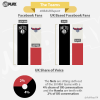
NBA in the UK: WePlay Brings Challenges, Chances and Social Media ROI

This week, the social media marketing, strategy and analysis company WePlay released “NBA in the UK: Challenges, Opportunities and Social Media ROI” which is available as a free download from the company’s website, WePlay.co. The report takes an in-depth look at the NBA’s UK fan base in order to identify the opportunities and challenges the organization faces ahead of…
Facebook Partners With SportStream To Become ‘Watercooler’
A battle has raged on between Facebook and Twitter since the second came about. It seems that there are new social media sites popping up daily, yet many people have remained faithful to the two major social giants. Facebook has long seemed to have the upper hand on Twitter, except when it comes to sports. Twitter…

How Does A Player’s Brand Impact Social Media Marketing?
Since social media marketing and sports have developed a partnership, certain questions have been raised that intertwine the two in todays sports business world: What is a players social media worth? Can a sponsor or brand predict the impact of a sponsored campaign with a player? Does on-the-field performance affect both social media and any…
Sky Sports Partners With Twitter And Grabyo To Give Fans Live UEFA Clips
Sky Sports has stepped up their social media game through a partnership with Twitter. As we have seen, Twitter has been running wild with the idea of creating a social TV world. In what is dubbed as “Twitter Amplify”, a few of the social site’s media partners include MLB.com, the PGA Tour, and recently the…

Fancred Pushes To Make Waves In The Social Sports World
It seems that every other day there is a startup social network looking to compete with Facebook and Twitter. Lately, there have been a lot of these startups taking aim at sports fans. It is certainly known that Twitter drives a powerful sports conversation. Is it possible though, that a social network suitable for sports…